

Table of Contents
- Why Jersey Numbers Peel: Understanding the Root Causes
- Best Way to Wash Sports Jerseys Without Damaging Numbers
- Jersey Care Instructions for Heat-Pressed Vinyl Numbers
- Proper Drying Methods to Prevent Jersey Numbers From Peeling
- How to Fix Peeling Jersey Numbers With Heat
- Long-Term Storage Best Practices for Custom Team Gear
- Troubleshooting Failed DIY Repairs and Prevention Mistakes
- Frequently Asked Questions
Last Updated: September 23, 2026
Why Jersey Numbers Peel: Understanding the Root Causes
Jersey numbers peel when the adhesive bond weakens due to heat, moisture, and friction, understanding how to prevent jersey numbers from peeling starts with recognizing these root causes. Hot water and dryer heat soften the adhesive, while washing machine friction and rubbing against other clothes accelerate peeling at the edges.
Best Way to Wash Sports Jerseys Without Damaging Numbers
Wash jerseys inside out in cold water on a gentle cycle, avoiding fabric softener and bleach. These steps prevent most peeling.
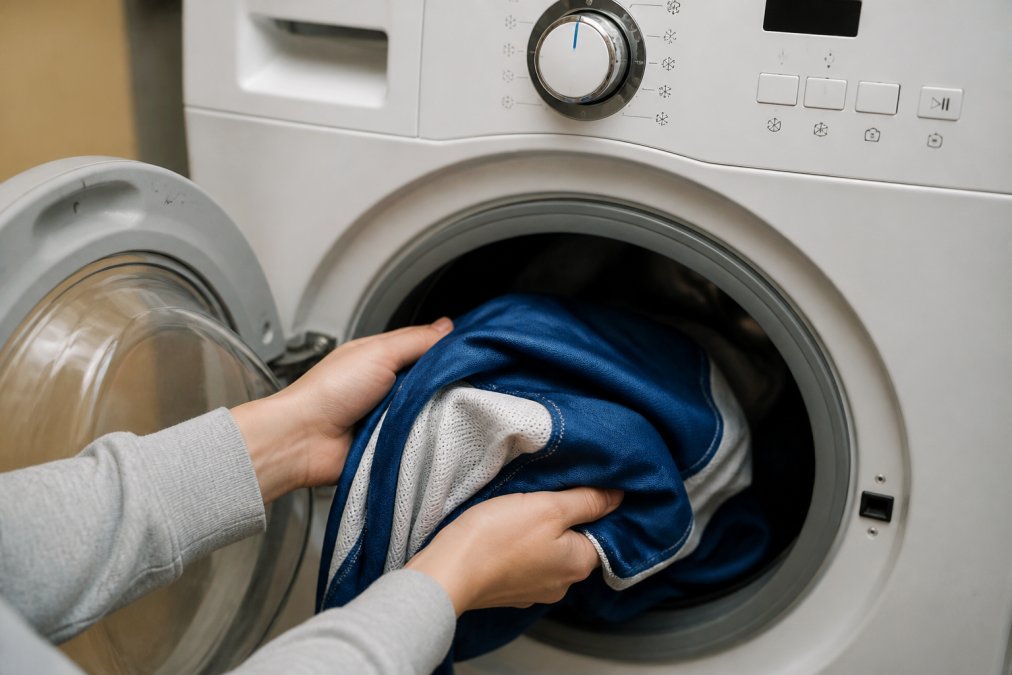
Turn Jerseys Inside Out Before Washing
Turning jerseys inside out protects numbers from direct friction by facing them inward, away from wash action. This single step reduces peeling significantly and costs nothing. Make it a habit: turn inside out immediately after wearing and keep inside out until dry.
Use Cold Water and Gentle Cycle Settings
Cold water (below 60°F) prevents adhesive softening; hot water weakens vinyl transfers. Use a gentle cycle with low spin speed to reduce friction. Don't overstuff the washer, crowding increases friction and peeling risk.
Avoid Fabric Softener and Bleach
Use plain laundry detergent in small amounts; more detergent leaves residue that interferes with adhesive durability. Avoid fabric softener, bleach, oxygen bleach, scented additives, and bleach-based stain treatments.
Jersey Care Instructions for Heat-Pressed Vinyl Numbers
Understanding your jersey's construction is critical because each type requires different care protocols. Misidentifying your jersey is one of the most common reasons DIY repairs fail.
Identifying Your Jersey's Adhesive Type
Run your fingers across the numbers to identify: Smooth and slightly raised, shiny surface = heat-pressed vinyl (thermoplastic adhesive); Flat, textured, matte finish = screen-printed (ink bonded to fabric); Raised, with visible stitching = embroidered tackle twill (no adhesive). Heat-pressed edges are clean and uniform; screen-printed edges may show slight ink bleed; stitched edges show thread and weave.
Heat-Pressed Vinyl: Washing and Drying Protocol
Heat-pressed jerseys are most vulnerable to peeling because the thermoplastic adhesive can fail under heat and moisture stress. Reheating it can reactivate it, useful for repairs but dangerous during normal care.
Screen-Printed Numbers: Washing and Drying Protocol
Screen-printed jerseys are more forgiving than heat-pressed because ink bonds directly to fabric fibers rather than relying on adhesive, but they still require careful handling to prevent cracking and fading.
Stitched Tackle Twill: Washing and Drying Protocol
Embroidered numbers don't peel but thread can fray or snag if washed improperly. Washing stitched jerseys: Cold or warm water, gentle cycle, turn inside out, use plain detergent. Avoid fabric softener (weakens thread). Bleach is safe for white thread but fades colored embroidery.
Comparing Durability and Longevity
When cared for properly: Heat-pressed vinyl lasts 3-5 years; Screen-printed lasts 4-7 years; Stitched tackle twill lasts 7-10+ years. Knowing your jersey type prevents costly repair mistakes.
Proper Drying Methods to Prevent Jersey Numbers From Peeling
How you dry jerseys matters as much as how you wash them, and learning how to prevent jersey numbers from peeling requires attention to both steps. Air drying is always the safest option.
Air Drying as the Safest Option
Lay jerseys flat on a clean towel or hang on a hanger in a well-ventilated room, away from direct sunlight. Flat drying protects numbers completely as moisture evaporates slowly without heat stress. Allow 24-48 hours for complete drying.
When Tumble Drying Is Necessary
If you must use a dryer, use air-dry or delicate settings (lowest heat only). Never use high or medium heat. Remove jerseys while still slightly damp to reduce heat exposure.
How to Fix Peeling Jersey Numbers With Heat
If numbers start peeling, gentle heat can re-adhere them. You have two options: a household iron or a heat press.
Using a Household Iron for Re-Adhesion
An iron works for small peeling areas. Set to low heat and place parchment paper between the iron and number. Press gently for 10-15 seconds, then cool completely. This works best for edges just starting to lift; if the number is mostly detached, an iron won't provide enough pressure.
Heat Press Method for Professional Results
A heat press applies even pressure and controlled heat, more effective than an iron for serious peeling. Many dry cleaners offer this service. Use 300-325°F, medium-firm pressure, 10-15 seconds with a protective layer. Professional heat pressing costs less than replacing a jersey.
Long-Term Storage Best Practices for Custom Team Gear
Store jerseys in a cool, dry, climate-controlled closet, not an attic or basement where temperature and humidity fluctuate. Use breathable fabric storage bags, never plastic. Store flat or on padded hangers, away from direct sunlight. Avoid sharp creases on numbers and never stack heavy items on top.
Troubleshooting Failed DIY Repairs and Prevention Mistakes
DIY repairs fail for specific, identifiable reasons. Understanding why helps you fix it correctly or recognize when professional help is necessary.
Why Fabric Glue Fails on Vinyl Transfers
Fabric glue is the most commonly attempted DIY repair and most likely to fail. Fabric glue bonds to porous materials by soaking into fibers, but vinyl transfers are plastic and non-porous. The glue sits on top and fails under moisture and friction stress during washing.
Why Heat Treatment Fails (and How to Diagnose)
Heat re-adhesion works only if the original thermoplastic adhesive is still present. If heat treatment failed: Adhesive already gone (number peels with no resistance, no residue visible, jersey 5+ years old), professional re-pressing required. Insufficient heat or pressure (edges re-adhered but center lifts, used iron instead of heat press), retry with heat press at 300-325°F for 15 seconds. Too much heat (fabric discolored or melted, vinyl bubbled), jersey is damaged beyond repair. Moisture trapped (number re-adhered then peeled within days), remove number, dry jersey thoroughly, apply fresh heat press.
Removing Failed Adhesive Residue
If a repair failed and left dried glue or adhesive residue on the jersey, you must remove it before attempting another repair. Residue prevents new adhesive from bonding properly.
For fabric glue residue:
- Let the glue dry completely (do not attempt to remove while wet)
- Gently roll the dried glue with your thumb or a soft plastic scraper
- The glue should ball up and peel away
- If residue remains, soak the area in warm water for 5 minutes to soften it
- Gently rub with a soft cloth; do not scrub hard (you'll damage the fabric)
- Rinse thoroughly and air dry
For thermoplastic adhesive residue (from failed heat pressing):
- Apply gentle heat with an iron on low setting to soften the adhesive
- While warm, gently peel away the softened adhesive with your fingernail or a plastic scraper
- Do not use metal tools (they can snag fabric)
- Work slowly; rushing will tear the jersey fabric
- Once removed, wipe the area with a damp cloth and air dry
For stubborn residue:
- Rubbing alcohol on a cloth can dissolve some adhesive residues (test on an inconspicuous area first)
- Acetone (nail polish remover) works but risks damaging polyester fabric; use only as a last resort on cotton jerseys
- Heat the area gently and allow it to cool slightly (not fully) before attempting removal, warm adhesive is more pliable than cold
Common Prevention Mistakes That Cause Peeling
These mistakes are the root cause of most peeling problems:
Washing mistakes:
- Hot or warm water within the first 5-10 washes (adhesive is still curing)
- Using fabric softener or bleach
- Washing inside out but then machine drying on high heat
- Overloading the washer (increases friction)
- Washing with rough fabrics like jeans (causes abrasion)
Drying mistakes:
- Tumble drying on any heat setting (even low or delicate)
- Leaving jerseys in the dryer after the cycle ends (residual heat continues to damage adhesive)
- Hanging in direct sunlight (UV degrades vinyl over time)
- Drying in a hot, humid environment like a bathroom after a shower
Storage mistakes:
- Storing in plastic bags (traps moisture and promotes adhesive degradation)
- Storing in an attic or basement where temperature and humidity fluctuate
- Stacking heavy items on top of folded jerseys (pressure weakens adhesive)
- Storing near heat sources like furnaces or water heaters
Repair mistakes:
- Attempting fabric glue on a heat-pressed number
- Using an iron instead of a heat press for serious peeling
- Applying heat without a protective barrier (teflon or parchment paper)
- Not allowing the jersey to cool completely before handling after heat treatment
- Washing the jersey immediately after a heat repair (allow 24 hours for adhesive to fully set)
When to Repair vs. When to Replace
Use this decision tree to determine whether a repair attempt is worth the effort:
Attempt repair if:
- The number is less than 25% peeled
- The jersey is relatively new (fewer than 50 washes)
- The original adhesive is still visible on the back of the number
- You have access to a heat press (not just an iron)
- The jersey has sentimental or team value
Seek professional repair if:
- More than 50% of the number is peeled
- Fabric glue has already failed once
- You don't have access to a heat press
- The jersey is a premium or custom piece
- You want a guarantee that the repair will hold
Replace the jersey if:
- The entire number is detached and adhesive is completely gone
- The jersey is 5+ years old and showing multiple signs of wear
- The fabric itself is damaged (tears, fading, shrinkage)
- Professional repair costs exceed 40-50% of a replacement jersey's price
- The number has peeled and been repaired multiple times already
Frequently Asked Questions
Why do jersey numbers peel after only a few washes?
Jersey numbers peel due to a combination of factors: high heat during washing or drying, harsh detergents that break down the adhesive bond, and friction from the washing cycle. Fabric softeners are particularly damaging because they coat synthetic fibers and prevent the heat-activated adhesive from maintaining its grip. Using hot water, tumble drying on high heat, and improper storage also accelerates peeling. Following proper care instructions from the start prevents most peeling issues.
How can I tell if my jersey numbers are heat-pressed or screen-printed?
Heat-pressed vinyl numbers feel slightly raised and smooth to the touch, while screen-printed designs feel more integrated into the fabric. Vinyl typically has defined edges you can see and feel, while screen print blends seamlessly. You can also check the jersey's care tag or contact the manufacturer. Heat-pressed vinyl requires more careful handling during washing and drying, while screen-printed jerseys are generally more durable through standard laundering.
Can I use a household iron to re-adhere peeling jersey numbers?
Yes, a household iron can re-adhere peeling heat-pressed vinyl if done carefully. Place a teflon sheet or parchment paper over the number, set the iron to medium heat, and press for 10-15 seconds. Allow the jersey to cool completely before wearing or washing. This works best for small peeling edges. For extensive peeling or screen-printed jerseys, professional heat press service provides better results. Always test on an inconspicuous area first.
What's the best way to prevent jersey numbers from peeling during storage?
Store jerseys flat or hanging in a cool, dry place away from direct sunlight and humidity. Fold them inside out if hanging to protect the numbers from dust and moisture. Keep them in a breathable storage bag rather than plastic, which traps moisture and can weaken adhesive bonds. Store away from heat sources and areas prone to temperature fluctuations. Proper storage combined with correct washing and drying techniques ensures your team's custom gear maintains its appearance for entire seasons.