

Last Updated: November 14, 2026
Quick Summary
Youth baseball apparel is clothing designed for young players and their families, built around long tournament days with breathable fabrics, accurate sizing, and prints that survive repeated washing. The best brands publish real measurements, keep sizing consistent between sizes, and separate youth charts from adult ones.
- Measure a player's chest width in inches and match it to the brand's own chart, not the age range.
- Leave about one inch of growth room in body length; more causes bunching during a swing.
- Buy performance cuts true to chest measurement, since sizing up defeats the cut's purpose.
- Wash cold, skip the dryer, and never iron a printed jersey to extend print life.
- Divide price by real wears per season, roughly 30 for practice twice a week plus tournaments.
Table of Contents
- What Separates Best Youth Baseball Apparel Brands from the Rest
- Boys Youth Baseball Apparel Brands: What to Look For
- Youth Baseball Shirts with Sayings: Balancing Fun and Function
- Baseball Apparel Youth Players Actually Want to Wear
- Side-by-Side Comparison: Top Youth Baseball Apparel Brands
- Price and Value Analysis: What You Get for Your Money
- Choosing the Right Gear for Your Team
- Frequently Asked Questions
What Separates Best Youth Baseball Apparel Brands from the Rest
Walk any tournament complex on a July afternoon and you'll see the difference in ten seconds. Some kids are adjusting, tugging, and sweating through stiff cotton. Others are comfortable and focused on the game. That gap comes down to how a brand handles fit, fabric, and construction, and it's the first thing we evaluate at TravelBallandmore when we compare youth baseball apparel brands.
Youth baseball apparel is clothing designed for young players and their families, built around the demands of long tournament days: breathable fabrics, accurate sizing, and prints that survive repeated washing. The best brands treat sizing charts as a commitment, not a suggestion.
The woman is American. The boy is American.
Fit and Sizing: Getting It Right the First Time
Sizing is where most apparel disappointments start. A jersey that runs a full size small turns a team order into a reorder, and reorders cost parents time and money.
Three checks separate reliable brands from the rest:
- Published measurements, not just letters. Chest width and body length in inches tell you more than an "M" ever will.
- Consistent grading between sizes. A brand that jumps two inches between small and medium will fit half the roster wrong.
- Separate youth and adult charts. Kids' sizing should never be scaled down from men's patterns.
When you order for a team, measure two or three players and match them to the chart before submitting. It takes ten minutes and prevents the scramble.
Fabric and Comfort: Performance vs. Everyday Wear
Moisture-wicking polyester moves sweat away from the skin and dries quickly, which matters during back-to-back games in heat. Ring-spun cotton feels softer against the skin but holds moisture longer.
Parents comparing the two in detail can read our breakdown of moisture-wicking vs cotton for sports before deciding what to buy for the season.
Boys Youth Baseball Apparel Brands: What to Look For
Shopping for boys means shopping for growth spurts. A brand worth buying from makes it easy to size up without guessing, and it builds garments that survive a full season of machine washing.
Sizing and Age Guidance
Youth sizing is not standardized across brands, so treat every chart as brand-specific. A common pattern is that youth small through youth large covers roughly ages 8 to 12, but chest width and body length in inches are the only numbers that travel between brands. Measure the player's chest at the widest point and compare that to the chart's chest width, not to the age range.
Three fit rules that prevent most returns:
- Measure the chest, not the age. A tall 10-year-old and a stocky 10-year-old need different sizes from the same chart.
- Leave one inch of growth room in the body length. More than that and the jersey bunches at the waist during a swing.
- Check the sleeve length against the position. Catchers and pitchers benefit from a slightly longer sleeve; infielders usually prefer a closer fit.
Watch out: a brand that publishes only letter sizes with no inch measurements is a coin flip for team orders, because you cannot compare it to the chart you used last season.
Construction Details That Matter
Look for four things before you spend:
- Taped neck and shoulder seams that resist stretching out of shape
- Double-needle stitching at hems and sleeves
- Tear-away labels so nothing scratches mid-game
- Clear care instructions printed on the garment or listing
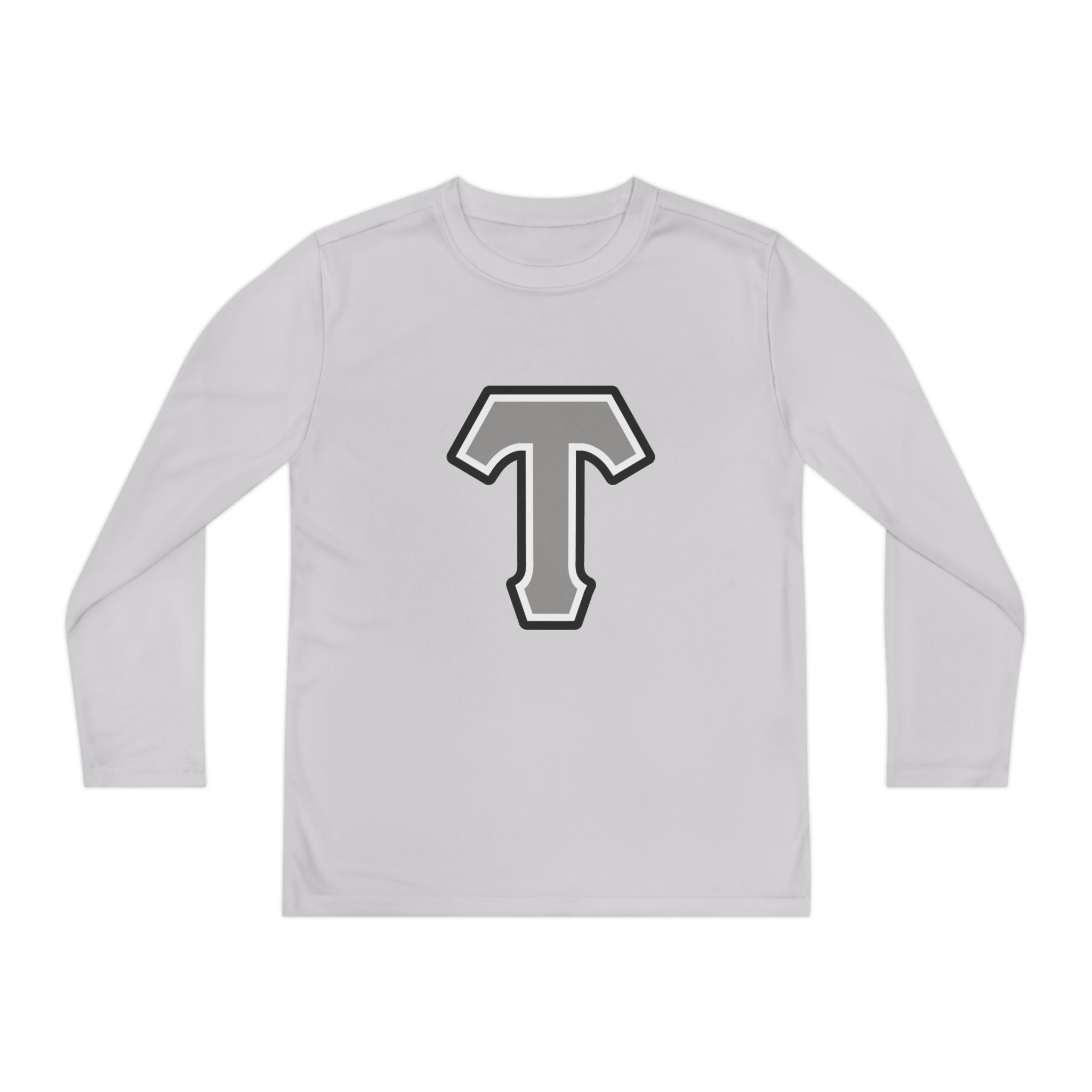
A lightweight performance tee like our youth long sleeve athletic tee shows what to expect: 100% polyester, moisture-wicking, and a fabric weight light enough to layer under a jersey without bulk.
Casual vs. Performance Cuts
A performance cut is drafted to move with a swing and sits closer to the body; a casual cut is roomier and meant for the stands and the school hallway. Buying a performance cut one size up to "grow into" defeats the purpose, because the extra fabric drags during rotation. Buy the performance cut true to the chest measurement and size up only in the casual pieces.
Durability and Care: Making Gear Last a Full Season
Most youth gear fails at the print, not the fabric. Heat and harsh detergent break down vinyl and transfer prints long before the seams give out. Wash cold, skip the dryer when you can, and never iron a printed jersey. Those three habits alone extend the life of names, numbers, and logos well past the final tournament.
Youth Baseball Shirts with Sayings: Balancing Fun and Function
Slogan shirts are the fastest way to make a young player feel part of something. They also carry a practical catch: a funny saying is only funny if the shirt itself holds up.
Our rule is simple. Buy the saying shirt for the stands, the team dinner, and the drive home. Buy performance gear for the field. Keep the two purposes separate and both last longer. Parents weighing how team shirts build culture can read our guide on using kids baseball team shirts for sportsmanship.
Baseball Apparel Youth Players Actually Want to Wear
Kids are honest critics. If a shirt itches, rides up, or looks like something from a parent's closet, it stays in the drawer. The apparel that actually gets worn shares a few traits: soft fabric, a modern fit that isn't boxy, and designs that feel connected to the game rather than generic sports graphics.
Personalization matters more than most parents expect. A name and number turns a practice jersey into something a kid protects and takes pride in. If you want ideas beyond the basics, our list of personalized gear for young athletes covers options kids genuinely ask to wear.
Side-by-Side Comparison: Top Youth Baseball Apparel Brands
Here's how our own youth lineup stacks up.
| Product | Price | Fabric | Best For | Customizable |
|---|---|---|---|---|
| Outfield Matters Tee | $19.99 | 100% ring-spun cotton, 4.5 oz | Everyday wear, school, layering | No |
| Youth Long Sleeve Tshirt | $21.99 | 100% polyester, 3.8 oz, moisture-wicking | Practices, cool-weather games | No |
| Team Practice Jersey Grey | $26.99 | 100% polyester, moisture-wicking | Practice and game day | Yes, name, number, logo |
| Team Practice Jersey Grey (Hard Work) | $27.99 | 100% polyester, moisture-wicking | Team spirit days, gifts | No |
| Little Player Jersey Grey/Green | $29.99 | 100% polyester, moisture-wicking | Youngest players, tournaments | Yes, name, number, logo |
Price
Best for: families who want one source for practice jerseys, performance tees, and everyday baseball shirts. Skip if: you only need a single slogan tee and nothing else.
Price and Value Analysis: What You Get for Your Money
Youth baseball apparel prices cluster into three bands, and each buys something different.
The Cost-Per-Wear Framework
Sticker price tells you almost nothing about value. Divide the price by the number of times the garment actually gets worn in a season, and the ranking often flips. A $19.99 cotton tee worn twice a week for a 12-week season works out to well under a dollar per wear. A $29.99 personalized jersey worn to every practice and tournament can land in the same range, while a cheaper shirt that fades by June and gets replaced costs more per season than either.
Run the math before you buy:
- Count the real wears. Practice twice a week plus a weekend tournament is roughly 30 wears in a season.
- Add replacement cost. If a print cracks by mid-season, you buy twice.
- Include customization. Name and number printing adds cost per unit and usually adds a production lead time.
Hidden Costs Parents Miss
Three costs sit outside the listed price:
- Customization minimums and lead times. Team printing often carries a per-order minimum and a production window measured in days, not hours, so confirm the deadline against your first tournament date.
- Shipping thresholds. Many sellers set a free-shipping threshold, and a small team order can fall just under it. Consolidating the order usually clears the threshold and saves the per-unit shipping.
- Reorder risk. A jersey that runs a full size small turns one order into two. Accurate chest measurements up front are the cheapest insurance against a reorder.
Watch out: the lowest per-unit price is rarely the lowest per-season cost once reorders, replacements, and shipping are counted.
Durability Trade-Offs by Price Band
Best for: families who want one source for practice jerseys, performance tees, and everyday baseball shirts. Skip if: you only need a single slogan tee and nothing else.
Choosing the Right Gear for Your Team
Team orders succeed or fail on logistics. Collect sizes early, order from one chart, and confirm customization timelines before you promise anything to families. A roster of 15 players needs a single sizing standard, not 15 separate guesses.
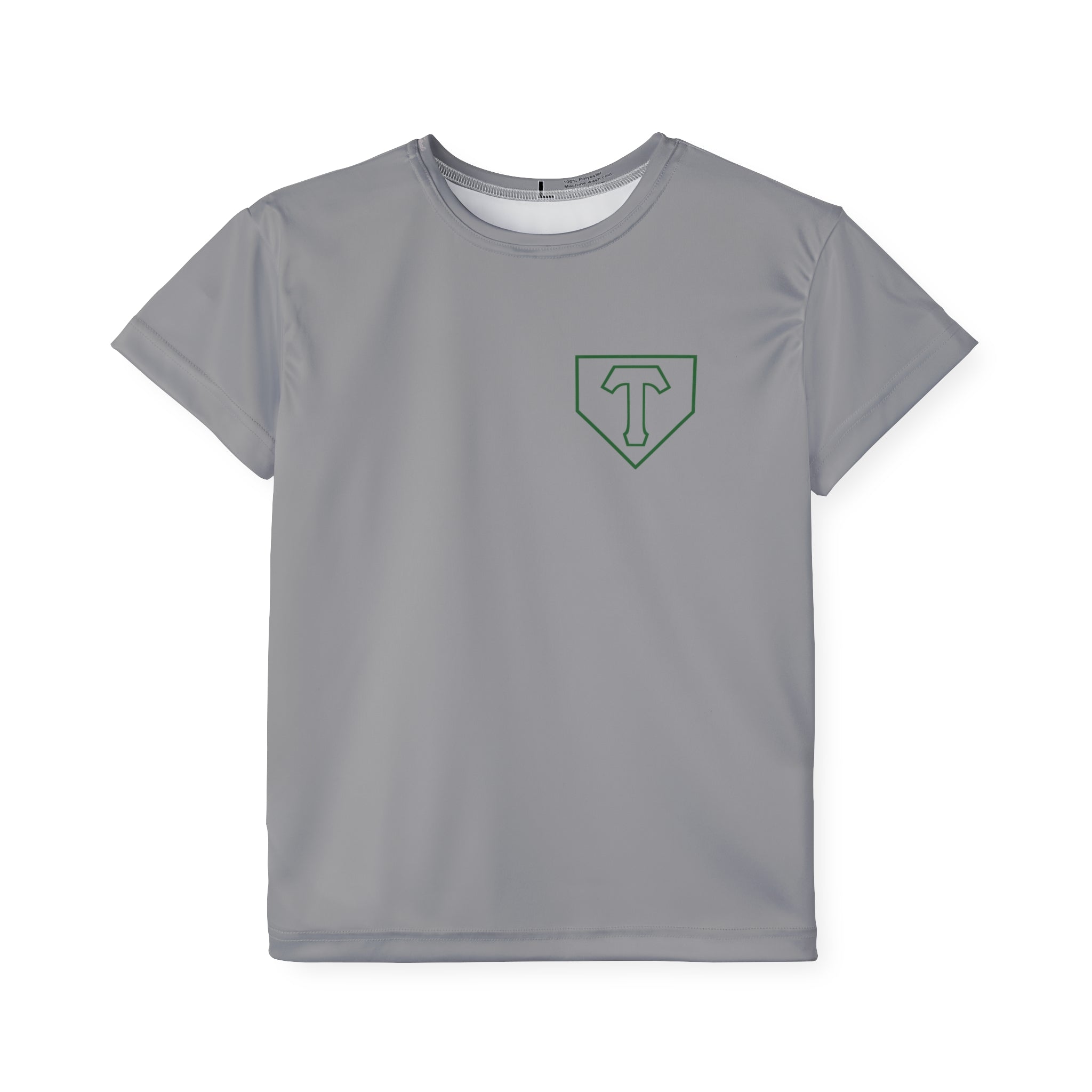
Our team practice jersey is built for exactly this: moisture-wicking polyester, a ribbed collar that keeps its shape, and optional name, number, and logo printing. Order one size up for players in a growth spurt and confirm the deadline against your tournament date.
Building a team wardrobe that survives a full season takes more than picking a color. TravelBallandmore helps sports families get it right with moisture-wicking performance jerseys, custom name and number printing, and soft everyday tees that hold up to repeated washing. Start with a size chart, order the practice jersey your roster will actually wear, and let the gear do its job while the kids focus on the game.
Frequently Asked Questions
What should I look for when choosing youth baseball apparel brands?
Focus on fabric, fit, and durability. Look for moisture-wicking materials like polyester for performance wear, and soft cotton blends for casual tees. Check size charts carefully, especially for travel teams where uniform consistency matters. Also consider care instructions: cold wash and no-iron fabrics save time.
Are baseball lifestyle brands different from performance apparel brands?
Yes. Performance apparel is designed for play: moisture-wicking, lightweight, and often uniform-compliant. Lifestyle brands focus on casual wear with baseball-inspired designs, like tees with sayings or team logos. Many families buy both: performance jerseys for games and lifestyle shirts for practice or everyday wear. TravelBallandmore offers customizable practice jerseys and cotton-based tees.
How do I ensure names and numbers won't peel off after washing?
Look for jerseys with durable printing methods like direct-to-film (DTF) or sublimation, and follow care instructions. TravelBallandmore jerseys use DTF printing on polyester, which holds up well when washed cold and air-dried. Avoid ironing directly on prints and skip the dryer when possible. Hand washing extends the life of any printed jersey, but even machine washing cold will keep designs intact for a full season.
What sizes are available for boys youth baseball apparel brands?
Most youth brands run from XS to XL, but sizing varies. For example, the Kids' Softstyle Tee runs from 14-inch to 19-inch chest width and 18-inch to 25-inch length. Always check the size chart and measure your child rather than guessing. For team orders, collect sizes early and compare against the chart to avoid reorders.
